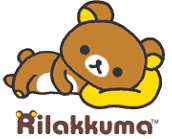
Rilakkuma Plush Toy Storage: How to Keep Them Clean and Fluffy
Rilakkuma plush toys deserve more than a quick toss into the closet. Their ultra-soft fabric and delicate stitching require thoughtful storage to stay fluffy and clean over time.
Proper Rilakkuma plush storage protects the fabric from dust, prevents compression that flattens their shape, and keeps colors vibrant. We’ll walk you through practical methods that work whether you own one beloved bear or an entire collection spanning multiple sizes.

Why Storage Method Matters for Plush Longevity
The fabric construction of Rilakkuma plush toys—dense pile fibers bonded to a stable backing—responds directly to how you store them. Pile fibers that stay upright retain their soft texture, while fibers compressed under weight flatten permanently over time.
Dust and moisture are the other long-term threats. Fine particles settle into pile fabric and bond to fibers when humidity rises, creating grayish discoloration that regular brushing won’t remove. A closed storage system keeps airborne particles away from the fabric surface while still allowing enough air circulation to prevent mustiness.
Choosing the Right Container Size and Material
Match container dimensions to your plush toy’s actual measurements with at least two inches of clearance on all sides. Cramming a 70cm bear into a 60cm box compresses the pile and creates permanent creases where the fabric folds.
Breathable Fabric vs. Hard Plastic
Fabric bins with mesh panels allow air circulation without exposing plush toys to dust. Hard plastic containers work well for long-term archival storage but require periodic airing to prevent moisture accumulation. Our Rilakkuma Storage Box uses a ventilated lid design that balances protection with airflow.
Avoid cardboard for any storage lasting more than a few weeks. Cardboard absorbs moisture from the air and transfers it directly to fabric, creating the damp environment where mildew grows.
Pre-Storage Cleaning to Lock in Freshness
Surface dust removal before storage prevents particles from embedding deeper into fibers during months of confinement. Use a soft-bristle brush—never a lint roller, which pulls pile fibers out by the root—and brush in the direction of the nap.
Spot Cleaning Without Soaking
For localized stains, mix one teaspoon of mild detergent with two cups of cool water. Dampen a white cloth with the solution, blot the stain gently, then blot again with a clean damp cloth to remove soap residue. Press a dry towel against the area to absorb moisture, and let the plush air-dry completely before storage.
Never submerge a Rilakkuma plush toy unless the care tag explicitly states machine-washable. Most plush toys use adhesive bonding between fabric layers that water dissolves, causing seams to separate and stuffing to clump.

Arranging Multiple Plush Toys Without Compression
Stack plush toys by size, placing the largest at the bottom and smallest on top. This distributes weight naturally and prevents smaller toys from bearing the load of heavier ones.
If you’re deciding between different Rilakkuma 200 Series vs 900 Series sizes, note that the 900 Series’ larger dimensions require dedicated shelf space rather than shared container storage. Side-by-side arrangement works better than vertical stacking once you reach the 50cm size threshold.
Using Tissue Paper as a Buffer
Wrap each plush toy in acid-free tissue paper before placing it in storage. The tissue creates a barrier against dust while preventing pile fibers from different toys from matting together. Avoid plastic bags, which trap moisture and create condensation that damages fabric over time.

Maintaining Fluffiness During Long-Term Storage
Even perfectly stored plush toys benefit from quarterly rotation. Remove each toy from storage, brush the pile fibers gently to restore lift, and check for any signs of moisture or odor.
Reshape compressed areas by holding the plush toy over steam from a kettle—not touching the water itself—and letting the heat relax flattened fibers. Brush immediately while the fabric is warm to lock in the restored shape. The fabric’s natural structure responds well to this process because the synthetic pile fibers soften temporarily under heat, allowing them to return to their original upright position.
Climate Control for Display Pieces
Plush toys kept on open shelves accumulate dust faster than stored ones but avoid the compression risk entirely. Rotate display pieces into closed storage every three months to give them a cleaning break, and bring stored toys out to maintain even wear across your collection.
Protecting Your Collection for Years of Enjoyment
Thoughtful storage keeps Rilakkuma plush toys looking and feeling new long after purchase. The combination of breathable containers, proper cleaning before storage, and quarterly maintenance prevents the dust buildup and compression that age plush toys prematurely.
Whether you’re preserving a single treasured piece or managing a growing collection, these methods protect the fabric quality and shape that make Rilakkuma plush toys special. Small habits—brushing before storage, rotating display pieces, checking for moisture—compound into years of extended softness and vibrant color.
Common Questions About Storing and Caring for Rilakkuma Plush Toys
Clean plush toys thoroughly before initial storage, then inspect and spot-clean every three to four months during rotation. Toys in sealed containers need less frequent cleaning than those on open display.
If you notice dust accumulation during quarterly checks, brush the pile fibers and wipe the surface with a barely damp cloth before returning the toy to storage.
Avoid vacuum-sealed bags for any plush toy you plan to display again. The extreme compression permanently flattens pile fibers and can crack the adhesive layer bonding fabric to backing.
If space constraints require vacuum sealing, limit compression time to six months maximum and choose bags with one-way valves that allow gradual decompression rather than sudden pressure release.
Place the plush toy in a paper bag with an open box of baking soda, seal loosely, and leave for 48 hours. The baking soda absorbs odors without leaving residue on fabric.
For persistent smells, sprinkle baking soda directly onto the plush surface, let sit for one hour, then vacuum gently with a brush attachment. Air the toy outdoors in shade—not direct sunlight, which fades colors—for a final refresh.
Larger plush toys like 70cm models need side-lying storage rather than vertical stacking to prevent their own weight from compressing lower sections. Use a dedicated shelf or bin where the toy can rest horizontally without folding.
Smaller 20-30cm toys tolerate vertical storage better because their lighter weight creates less pile compression over time.
Store plush toys away from direct sunlight and fluorescent lighting, both of which break down dye molecules in synthetic fabrics. A closet shelf or under-bed bin provides the darkness that preserves original colors.
If displaying toys near windows, rotate them into dark storage every few months and bring previously stored pieces out to even sun exposure across your collection.
Maintain storage areas between 60-75°F with relative humidity below 50 percent. Higher humidity encourages mildew growth, while excessive dryness makes adhesive bonds brittle.
Avoid attics and basements where temperature swings exceed 20 degrees, as expansion and contraction cycles stress fabric and stuffing materials.